Should Christians celebrate Halloween?
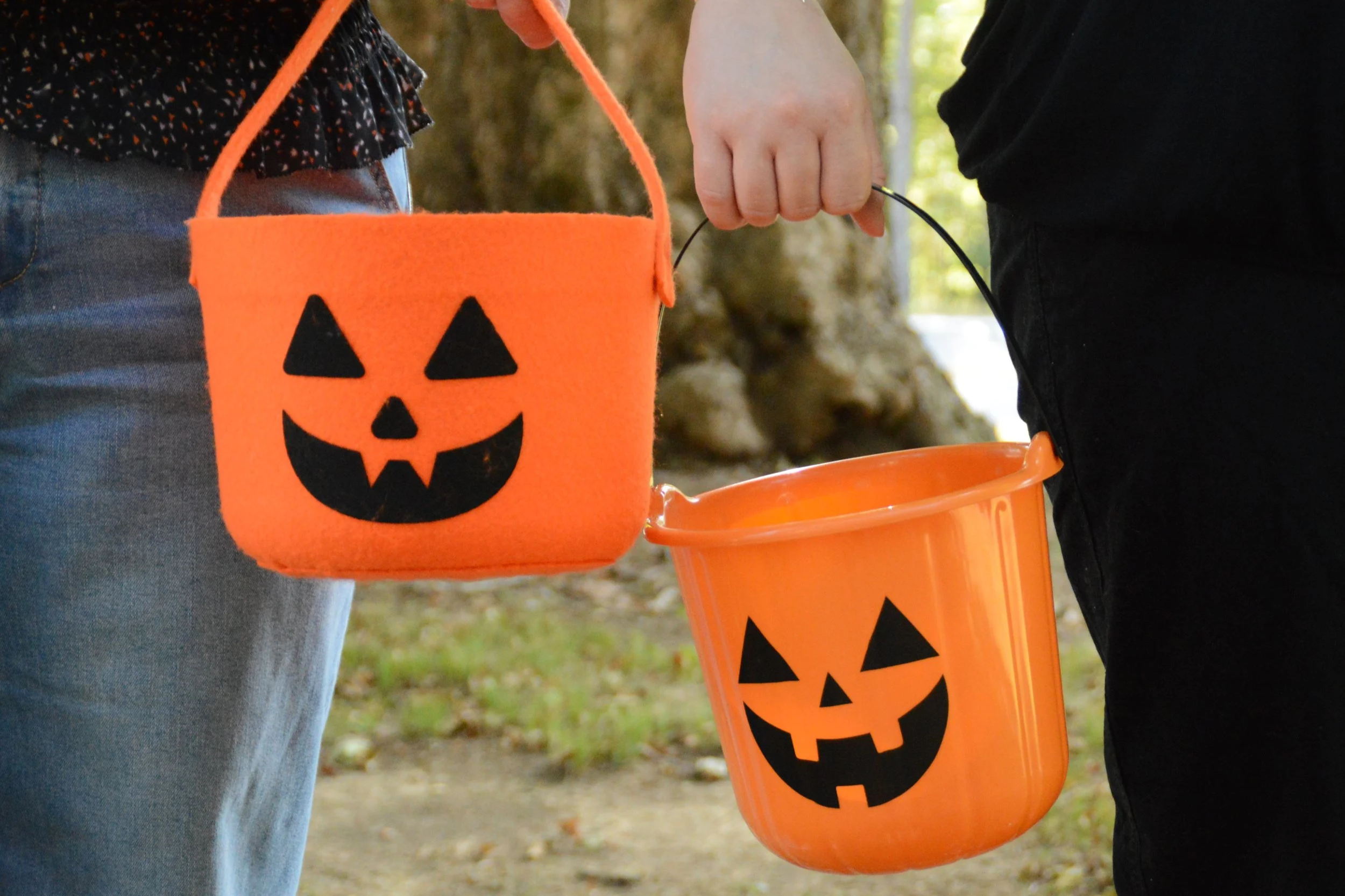
For some, Halloween is a night of costumes, candy, and making memories with family and friends. For others, the holiday raises questions about what Christians should and should not participate in. Questions like: “Should Christians act like the holiday doesn't exist?”, “ Is dressing up a big no-go?” ,“ Where should the line be drawn between celebrating the holiday and participating in practices that would go against Christian beliefs?”
Senior Ashlyn Pierce believes there is no single correct answer.
“I love Halloween and I love Jesus,” Pierce says.
She believes Christians have the freedom to enjoy lots of Halloween traditions like dressing up, trick-or-treating, and spending time with friends. However, she also believes that freedom comes with the responsibility to consider whether certain activities honor God.
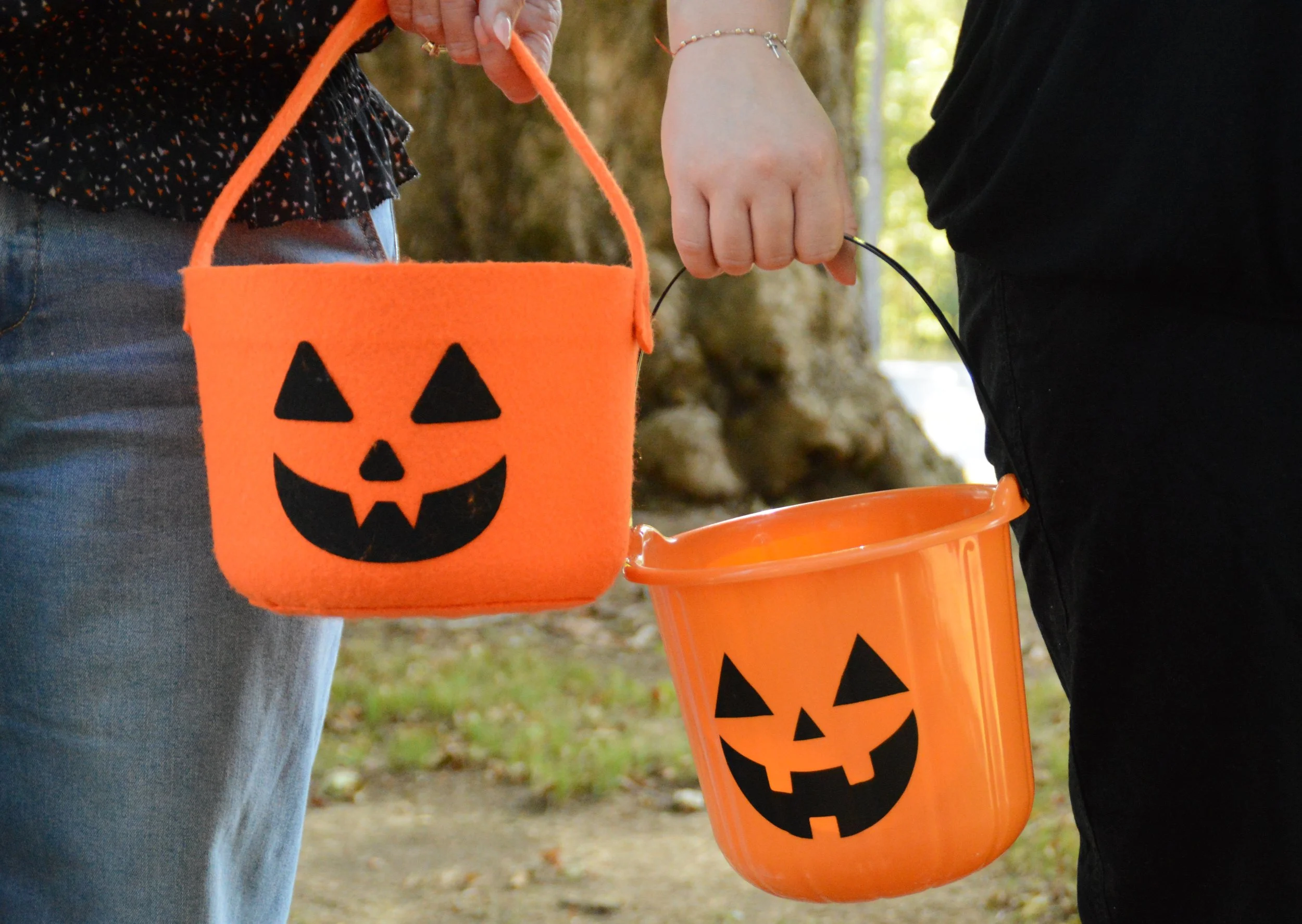
For Pierce, the holiday itself is not necessarily the problem. The concern comes when someone begins participating in things that pull them away from their faith.
“I don't think there's anything wrong with Halloween and being around the people that you love and dressing up and having fun with your friends,” Pierce states. “But I think that if you are constantly indulging in the things that steer you away from what the Lord is calling you to do, I feel like that is when it becomes a problem.”
Campus Pastor Wes Lutes also emphasizes how important it is that Christians be intentional when they approach the holiday.
“I think every family, and every person who is in Christ, has to make a distinction of themselves,” Lutes said.
Some Christian families choose to abstain from Halloween entirely, while others allow their children to dress up and go trick-or-treating.
“I just choose not to be the judge of their actions are right or wrong in that,” Lutes said.
Lutes believes the important question is what a person is actually participating in. While he sees how Christians can take part in harmless Halloween traditions, Lutes believes there are certain activities that cross a spiritual boundary. He points to practices that are forbidden by the Bible.
“There is a spiritual realm and we as believers have to be careful to protect ourselves from all of those things. Scripture talks about witchcraft and talking to the dead, necromancy, and all of these other types of demonic activity -- we have to put a hard line in the sand there,” Lutes said.
The question can become especially complicated for Christians who grew up in families with parents who were against celebrating Halloween.
“You're now in college asking the question: ‘Why was it such a big deal?’ … This is where you can obey that passage, “‘Honor your father and mother, and it will go well with you. [Ephesians 6:2-3].’ God gave you as part of the larger family, and in that dynamic your parents are responsible for the nurture of your soul until you mature and become your own individual person, and then, at that point, you can make the decision yourself,” Lutes said.
Lutes also addresses the fact that students may face the opposite scenario. Some students may have parents who gave them free rein to celebrate Halloween however they wanted. Those students may now find themselves angry or questioning their parents.
“I think we need to give our parents grace. Know that for the most part, they did the very best they could, and to honor them in their decision making and just to honor them as being parents,” Lutes stated.
Both Pierce and Lutes point toward the importance of intentionality. Halloween may look different for all sorts of Christian families, but the question remains the same: “How can Christians make choices that reflect what they believe?” For some, that may mean abstaining from Halloween activities. For others, it may mean putting on a costume, eating some candy, and spending time with friends while still being mindful of their faith.
Photo by Emme Lowder.