Different denominations and the Lee experience
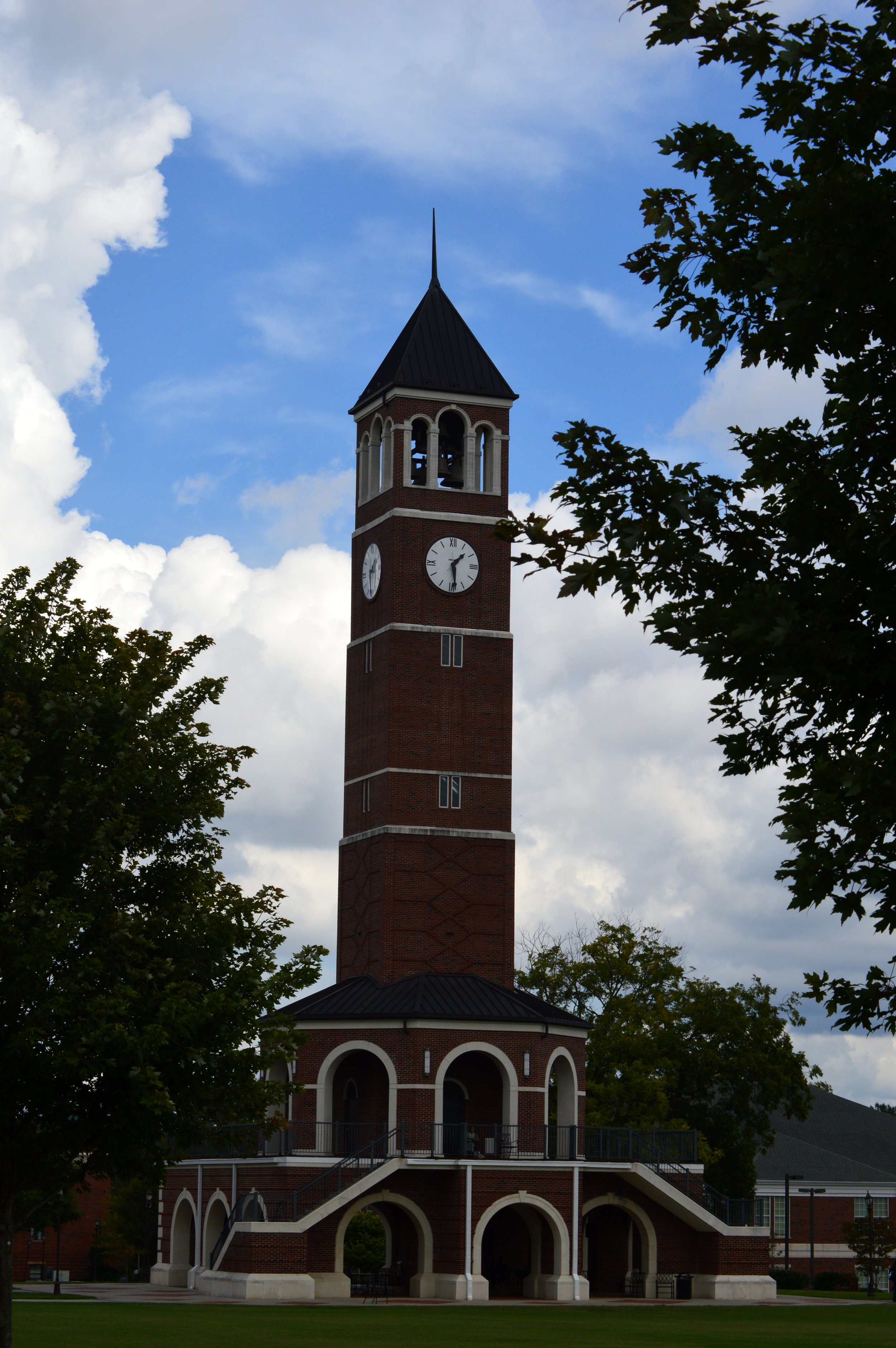
Photo by Emme Lowder.
Situated in the city of its international headquarters, Lee University proudly identifies as Church of God, a major Pentecostal denomination known for its American and European roots.
“The Church of God is an outcropping of American evangelicalism, which is an extension of European Protestant theology and ideas,” said Dr. Skip Jenkins, a theology professor in his 23rd year and long-time Church-of-God-goer. “Historically, the Church of God is in that line, the European Protestant tradition and the American evangelical tradition.”
Despite its Church of God foundation, students from a variety of denominations pursue their postsecondary education at Lee.
“[I see] a lot of Baptists … a lot of people who are part of the Roman Catholic Church, more than I ever have,” said Jenkins.
Many of these students still have roots in Lee.
“Both my parents went to Lee,” said Abigail Keys, a freshman who attends Waterville Baptist Church. “I was also very involved with the summer camps that went on, so I always felt very close to the campus.”
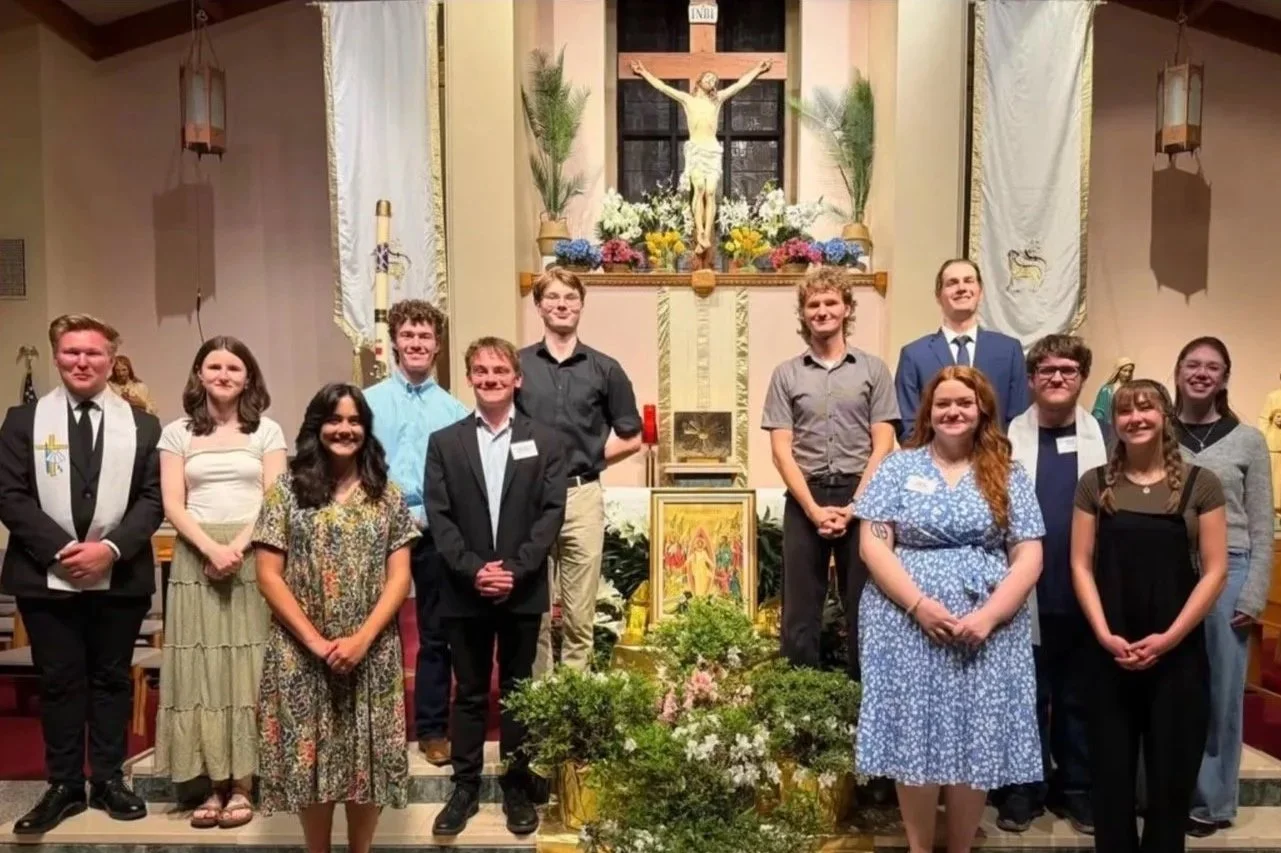
“My sister went to Lee and [I was] raised Pentecostal,” said James Roderick, senior business major and founder of LeeU Catholics.
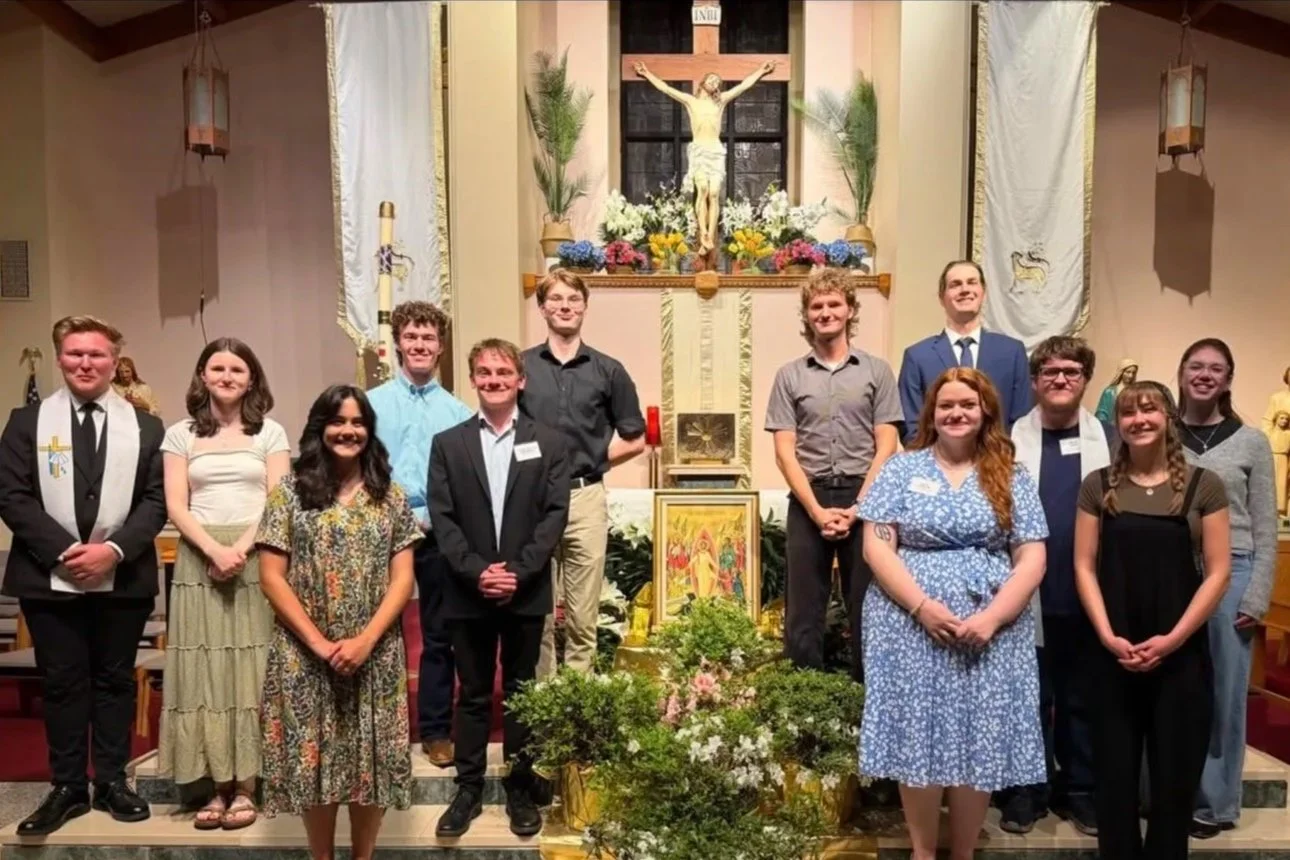
Photo courtesy of Lee U Catholics.
Yet, denominational differences are still visible.
For Keys, Lee’s activities are often different than what she grew up with.
“Chapel and convocation were very different to me, especially coming from my more traditional Baptist church,” said Keys. “I felt like the worship here at Lee was a lot more energetic.”
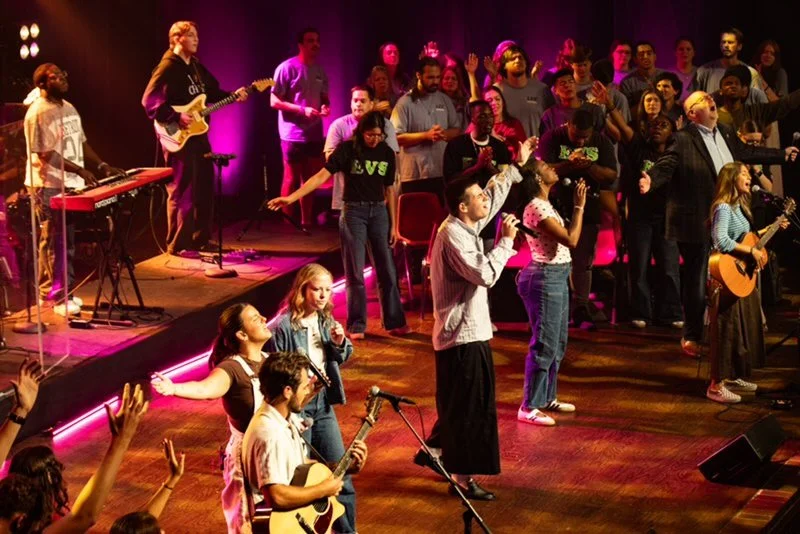
Photo by Lauren Gray.
For Roderick, differences are grounded in his understanding of the intricacies of Catholicism.
“Things are what they really are, and the things that we’re receiving at Catholic Mass are not just symbols, but the actual thing itself, like the Eucharist,” said Roderick.
But similarities can be found between Lee and other denominations as well.
For example, Catholicism pursues what is beautiful, good, and true, something that is likewise at the heart of Lee.
“They long for beauty within the campus, like the Catholic Church,” said Roderick. “And whatever they know to be good, they strive for that. Whatever they know to be true, they try to tell that truth.”
Professors and students from other denominations can also enjoy fruitful conversations and the opportunity to learn from one another.
“I find [teaching students of other denominations] valuable because … it is an attempt to find common points of contact, cooperative mission, without whitewashing or getting rid of the distinctives,” Jenkins said.
Additionally, the care that professors have for students transcends any denominational differences.
“I did do a lot of dual enrollment classes here before I made the decision to come here for college,” said Keys. “I could tell that even though there were denominational differences, the professors just really wanted to know their students beyond the denominations.”
No matter their denominational background, Lee has a way of leaving its mark on students.
“It made me more charitable towards people of other Christian backgrounds … I’ve become a little bit more charismatic Catholic, and reconciled my charismatic upbringing with my Catholic convictions, which is really beautiful,” Roderick said.
Above all else, students and professors are united by their shared belief in Jesus.
“We’re all brothers and sisters,” said Jenkins. “We’re all connected. We’re all members of the same body.”
Caleb Streun made contributions to this article.