Review: Sense and Sensibility 2026: Come for the Regency aesthetic, stay for the drama
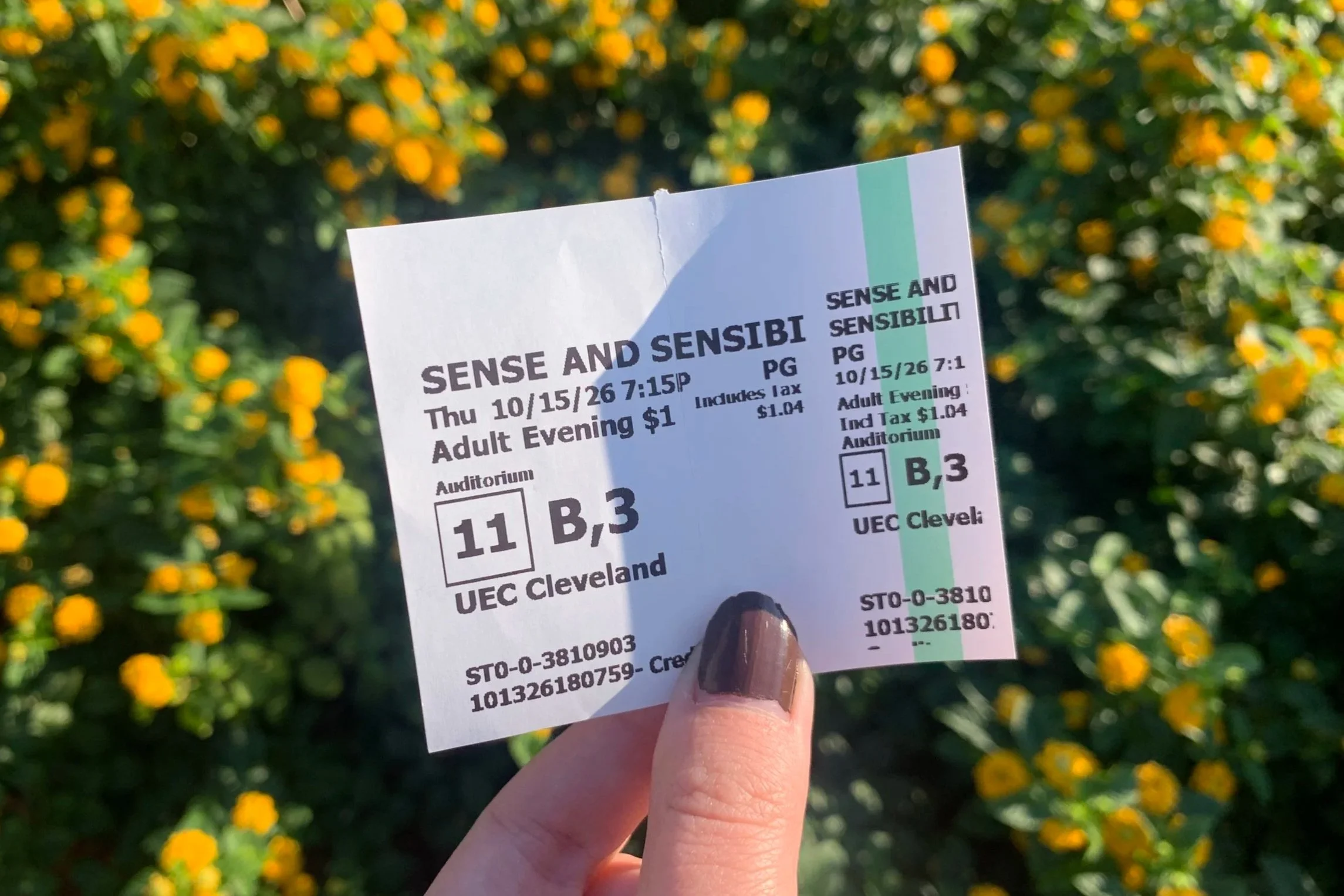
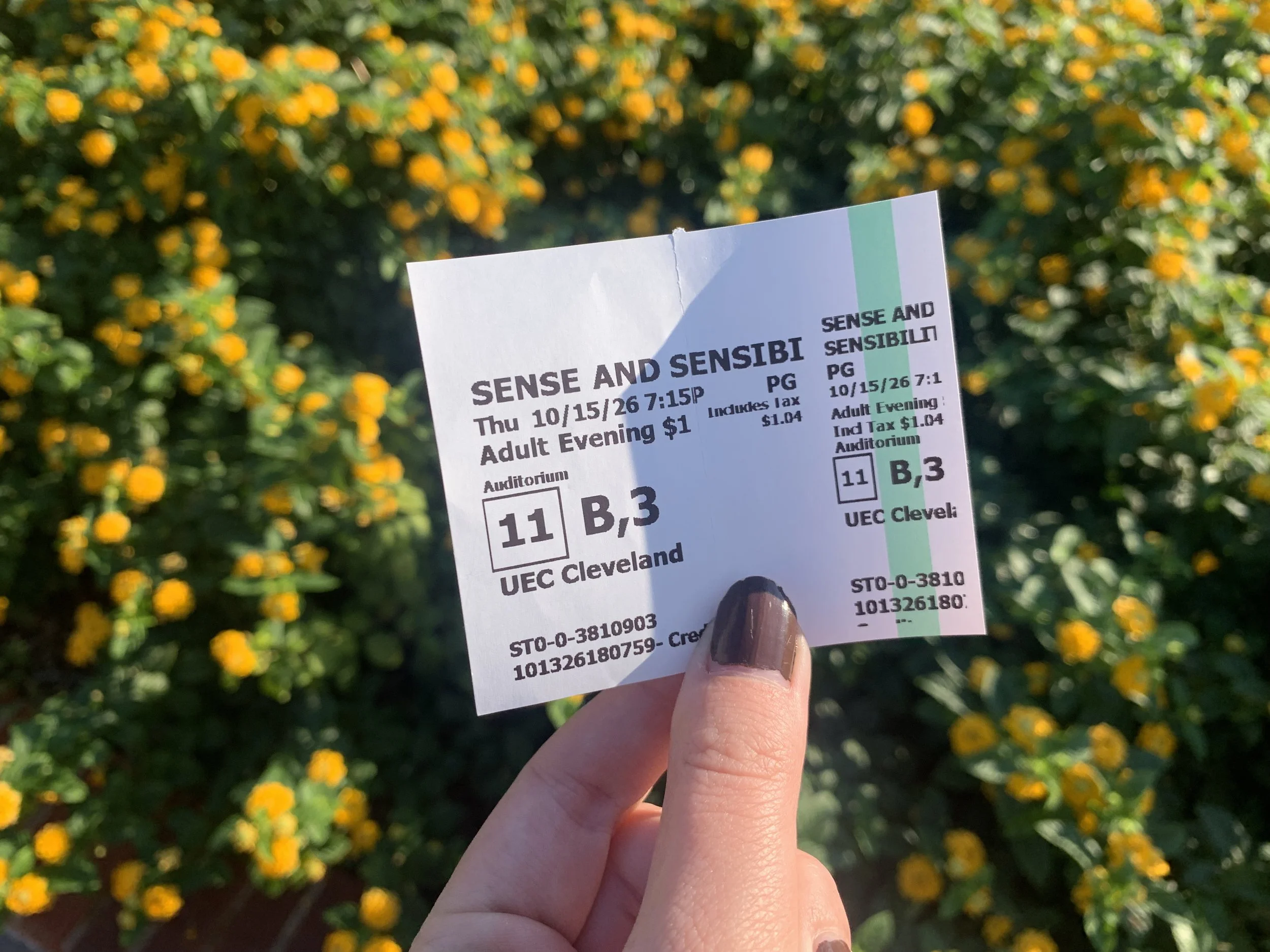
The new “Sense and Sensibility” adaptation is officially out. As a huge fan of the 1995 version, I grabbed a couple friends and rushed to the theater opening night to see what the remake had to offer.
For those who are unfamiliar, the story follows Elinor and Marianne Dashwood, two sisters living in late 18th century England who could not be more different. Elinor is the older, more level-headed sister, and Marianne is the younger, more free-spirited sister.
Everything changes when their father dies unexpectedly, leaving the Dashwoods without any promised provisions. As they navigate their new reality, the sisters experience love and heartbreak, growing to know each other and themselves more.
With an incredibly talented cast, masterful cinematography, and breathtaking sets and costuming, it is hard to compete with the 1995 adaptation of Jane Austen’s beloved novel. But does the 2026 version manage to keep up with its predecessor? To answer that question, I have compiled a classic pros and cons list.
Pros:
The scenery and filming locations
The rolling hills, swooping trees, and rustic architecture create a moving and idyllic setting that drew me in. It provides a strong framework for the story, made me interested in the characters and their world, made me want to see how they found their way within it.
The music
I have always been a sucker for romantic orchestral pieces, the ones that can sweep you away and make you feel like you are seeing the world for the very first time. This soundtrack does exactly that, compliments the film’s most emotional moments beautifully.
The romances
The building of the sisters’ relationships with their love interests was done well. In the 1995 version, the romances are moving, but in a different way: the moments are more subtle, and the dramatic fervor happens right at the very end. On the other hand, the romances in the 2026 version are dramatic throughout. They begin with tension that continues to grow throughout the film’s runtime, which drew my interest in a bolder way.
Acting
The moments of tension in the 2026 remake are really where the acting shines. The delivery, facial expressions, and body language are most natural in those drama-driven moments, and I found myself on the edge of my seat. I also appreciate that the actors are not just big-name actors that you see everywhere, unlike many movies today where the celebrity playing the character seems to be more important than the character themself.
Marianne and Elinor
The Elinor and Marianne depicted in the 2026 adaptation are more open, more outwardly affected by the story’s plot points as they come, unlike the 1995 version where the characterization primarily builds up to the end. However, I appreciate that the actresses did not merely try to mimic their predecessors and chose to depict the characters in their own way.
Ending
I can not say too much about the ending of the film without spoiling it, but I will admit that it is quite symbolic, leaving the viewer with one of many idyllic images that the film thrives on.
Cons:
Hairstyling and costuming
For most of the movie, Elinor and Marianne’s hair is disheveled and loose over their shoulders. The costuming is also more modern-looking, with dresses that are rather simplistic and dull in color. These details make the sisters look a bit out of place for the time period they are supposed to be in and somewhat drew me out of the immersion.
Acting
Though the acting is great in moments of high tension, it falls a bit flat in those that are softer, more mundane. The actors in the 1995 version embody the characters the whole way through and even when the story slowed, I was still intrigued and eager to understand every bit of the characters. The 2026 version does not quite achieve that same effect, with delivery that is a bit stiff and monotone in transitional moments between emotional highs.
Marianne and Elinor
I do not feel that the actresses’ depictions completely capture the nuances of their characters. Elinor seems more standoffish than sensible: the actress does not quite capture Elinor’s impassivity and poise. This version of Elinor expresses her emotions and merely seems to be bitter and cold. I still prefer Elinor’s depiction over Marianne’s, however. Elinor’s character is still adjacent to what she represents, while Marianne seems to be almost a different character entirely. This Marianne seems to be a symbol of sarcasm more so than sensibility. She is boisterous and unapologetic, sure, but in a way that seems more reckless and rude than innocent and naive. I sympathized for the 2026 Marianne, but did not quite empathize with her in the way I did with her 1995 counterpart, in the way that you would for a kind, joy-filled person who has suddenly been forced to come to terms with the harshness of the world.
Ending
The resolution for the 2026 Dashwood sisters and their romantic attachments is effective for that specific version of them. My opinion of the official ending is more personal taste than outward critique. While the final image is symbolic, my initial thought was “That’s it?” The ending is quite open-ended and does not provide complete closure. In that way, the 1995 and 2026 films are opposite: the 1995 version is more subtle throughout to build up to a dramatic end, while the 2026 version is more dramatic throughout to build up to a subtle end.
So, does the 2026 film overshadow the 1995 film? To that I would say no, “Sense and Sensibility” 1995 still takes the crown. But is the remake worth a trip to the theater? I would say yes, and if I had to give “Sense and Sensibility” 2026 a Letterboxd rating, it would be a solid 3.5/5 stars.